

Hey there! As a thread turning supplier, I've gotten tons of questions about the difference between external and internal thread turning. So, I thought I'd sit down and write this blog to clear things up.
Let's start with the basics. Thread turning is a machining process used to create screw threads on a workpiece. These threads can be on the outside (external) or inside (internal) of the workpiece, and each type has its own unique characteristics, challenges, and applications.
External Thread Turning
External thread turning, as the name suggests, is all about creating threads on the outer surface of a workpiece. Think of the threads on a bolt or a screw. When you look at a bolt, those ridges running along its length are the external threads.
One of the key advantages of external thread turning is its visibility. Since the threads are on the outside, it's easy to see what you're doing. You can easily monitor the cutting process, check the thread profile, and make adjustments as needed. This makes it a bit more forgiving for beginners.
The setup for external thread turning is also relatively straightforward. You typically use a single-point cutting tool that is fed parallel to the axis of the workpiece. The tool moves along the workpiece, removing material to form the threads. The cutting speed, feed rate, and depth of cut are all important factors that need to be carefully controlled to ensure a high-quality thread.
External threads are commonly used in applications where you need to join two parts together. For example, in mechanical engineering, bolts and screws with external threads are used to fasten components in machinery, automobiles, and construction. They provide a strong and reliable connection that can withstand various forces.
When it comes to tools for external thread turning, we offer the 08IR 08ER External Threading Inserts. These inserts are designed to provide excellent cutting performance and durability. They can handle a wide range of materials and thread profiles, making them a great choice for different external thread turning applications.
Internal Thread Turning
Now, let's talk about internal thread turning. This is the process of creating threads on the inside of a hole in a workpiece. Think of the threads inside a nut. These threads are used to mate with external threads on a bolt or screw.
Internal thread turning is a bit more challenging than external thread turning. One of the main difficulties is the lack of visibility. Since the threads are on the inside, it's hard to see what's going on. You can't easily monitor the cutting process, and it's more difficult to detect any issues such as tool wear or chip buildup. This requires more skill and experience to get it right.
The setup for internal thread turning is also more complex. You need to use a special internal threading tool that is designed to fit inside the hole. The tool has a unique shape and geometry to ensure that it can reach the bottom of the hole and create the threads accurately. The cutting forces are also different compared to external thread turning, and you need to be careful to avoid any vibration or chatter that could affect the thread quality.
Internal threads are used in a variety of applications. In plumbing, for example, pipes often have internal threads to connect different fittings. In electronics, internal threads are used in components to secure parts in place. They are also commonly used in the manufacturing of engines and other mechanical systems where precise internal connections are required.
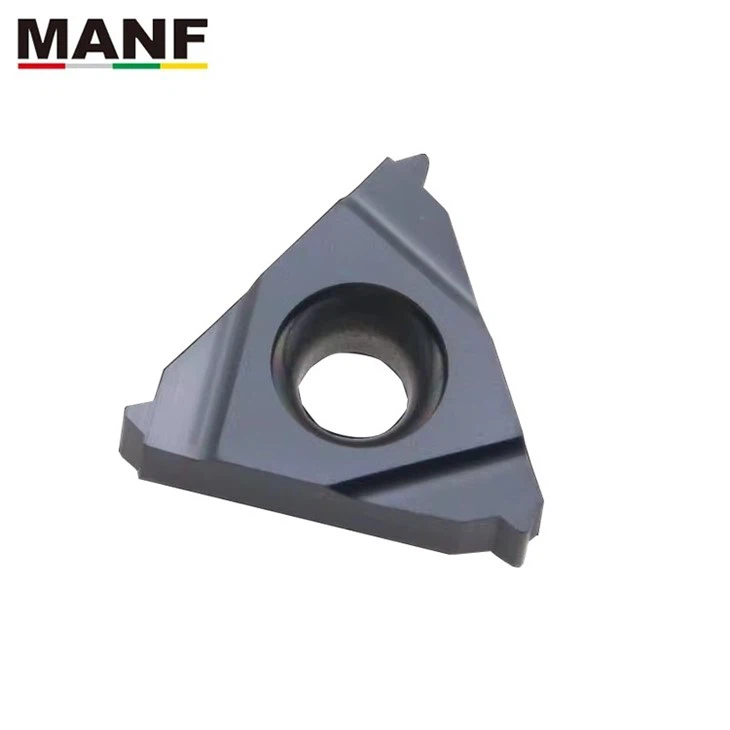
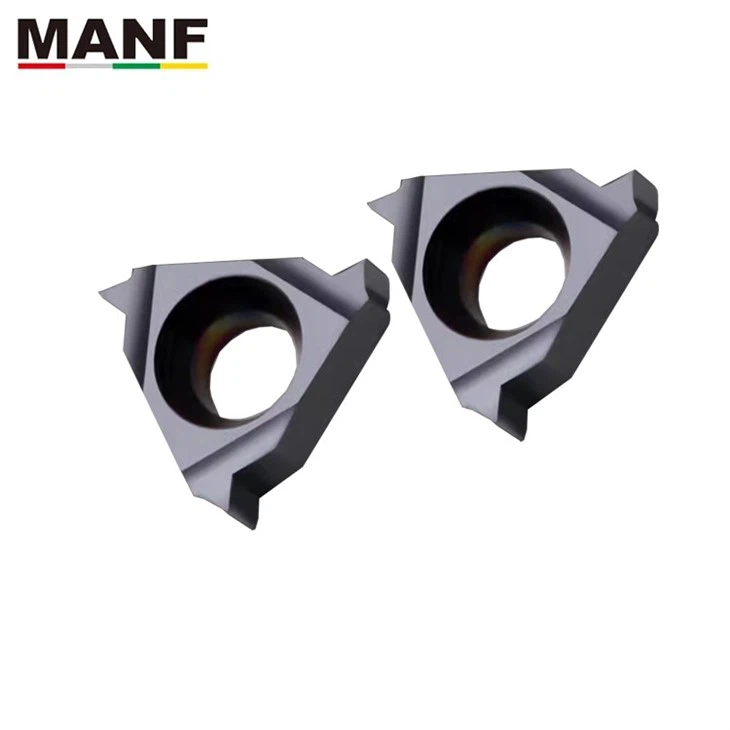
To make internal thread turning easier and more efficient, we offer two great options: the 11IR 11ER Internal Threading Inserts and the 16IR 16ER Internal Threading Inserts. These inserts are specifically designed for internal thread turning and are made from high-quality carbide materials. They offer excellent cutting performance, long tool life, and can produce high-precision threads.
Key Differences
Now that we've covered the basics of both external and internal thread turning, let's summarize the key differences between the two:
- Visibility: External thread turning offers better visibility, while internal thread turning is more difficult to see.
- Setup Complexity: Internal thread turning has a more complex setup compared to external thread turning.
- Tooling: Different tools are used for external and internal thread turning. External thread turning typically uses single-point cutting tools, while internal thread turning requires special internal threading tools.
- Cutting Forces: The cutting forces are different in external and internal thread turning. Internal thread turning often requires more careful control to avoid vibration and chatter.
- Applications: External threads are commonly used for joining parts together, while internal threads are used for mating with external threads and creating internal connections.
Tips for Successful Thread Turning
Whether you're doing external or internal thread turning, here are some tips to help you get the best results:
- Choose the Right Tool: Make sure you select the appropriate cutting tool for the job. Consider the material of the workpiece, the thread profile, and the required accuracy.
- Control the Cutting Parameters: Pay close attention to the cutting speed, feed rate, and depth of cut. These parameters can have a big impact on the thread quality and tool life.
- Monitor the Process: Keep an eye on the cutting process, especially in internal thread turning. Look for any signs of tool wear, chip buildup, or vibration, and make adjustments as needed.
- Use Coolant: Using coolant can help improve the cutting performance, reduce tool wear, and prevent overheating of the workpiece.
Conclusion
In conclusion, external and internal thread turning are two important machining processes with their own unique characteristics and challenges. As a thread turning supplier, we understand the importance of providing high-quality tools and inserts to meet the needs of our customers. Whether you're working on external or internal thread turning, our 08IR 08ER External Threading Inserts, 11IR 11ER Internal Threading Inserts, and 16IR 16ER Internal Threading Inserts are designed to help you achieve excellent results.
If you're in the market for thread turning tools and inserts, we'd love to hear from you. We can provide you with more information, answer any questions you may have, and help you choose the right products for your specific needs. Just reach out to us, and let's start a conversation about your thread turning requirements.
References
- ASME B1.1-2003, "Unified Inch Screw Threads (UN and UNR Thread Form)"
- ISO 68-1:1998, "ISO general-purpose screw threads -- Basic profile -- Part 1: Metric screw threads"


