




Turning Tools
Why Choose Us?
Rich Experience
Kunshan Meiyaxing Hardware Machinery Co., Ltd. is a company specializing in the production and sales of metal cutting tools. With more than 20 years of experience, we set new technology, high-end machinery and tool manufacturers as one, to provide customers with quality tools, is a direct branch of Hong Kong Meiya International Trading company.
Reliable Product Quality
We are proud of our high quality, cost-effective and good service, and have won the praise of customers in various industries such as aviation, medical equipment, automobile manufacturing, mold processing and electronic technology.
Wide Product Range
Kunshan Meiyaxing Hardware Machinery Co., LTD.'s products cover turning tools, milling tools, drilling and threading tools and tool holder clamping systems. Including carbide insert, CNC tool bar, tungsten steel milling cutter, drill, reamer, tap, boring head, tool holder, etc., widely used in aviation, medical equipment, automobile manufacturing, mold processing and electronic technology and many other industries.
Excellent Customer Service
We not only provide high quality and efficient cutting tools, but also have a superb technical team to provide professional and detailed processing solutions. We are trying to actively expand overseas partners, to ensure that in the future fierce competition in the market to occupy an advantage, win-win cooperation, look forward to working with you.
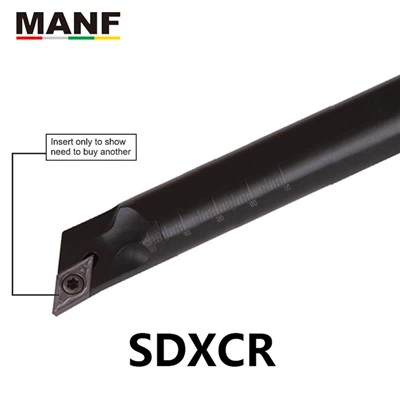
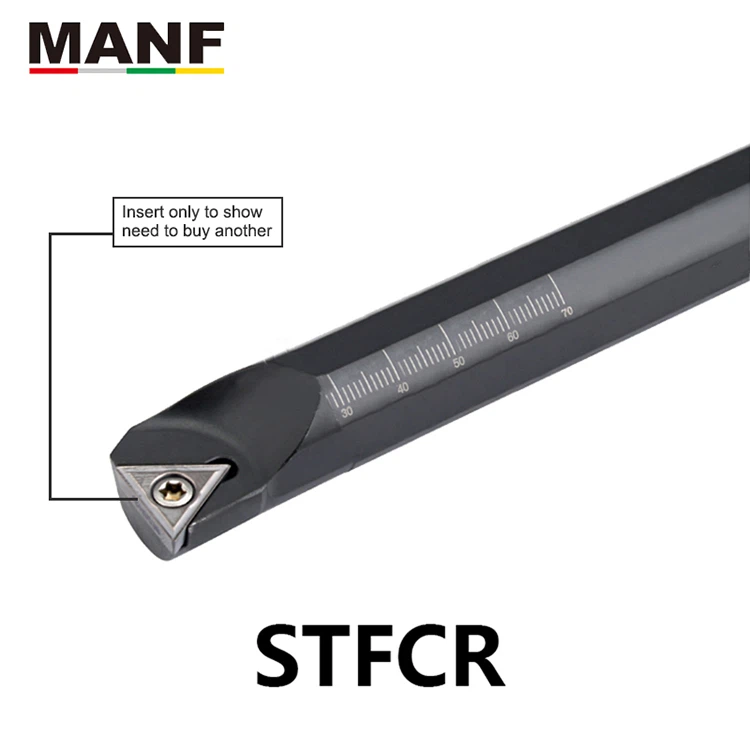
Turning tools are tools used to remove material from a workpiece in the form of chips. They are used in a wide range of manufacturing and machining processes, such as drilling, milling, turning, and grinding. The selection of turning tools is crucial to the efficiency and quality of the machining process. There are many different types of turning tools available, each with their own unique characteristics and uses.




Budget-friendly
Another benefit of utilizing carbide turning tool is the cost savings. Its cost-effectiveness is due to its durability and high-speed machining capacity, to put it another way. Manufacturers do not have to change turning tools as frequently since carbide turning tools are wear-resistant and have a longer tool life, resulting in lower costs. Furthermore, carbide materials enable turning tool turning speeds and feed rates to be increased. The time it takes to complete a work cycle is reduced when this attribute is present.
Enhanced Durability
You get a tool that is built to last when you combine the durability of steel with the skilled finishing capability of carbide. You can replace tips without having to buy a new tool, thus a high-quality carbide-tipped model will outlast even the best HSS choice. Again, the cost of switching to carbide may appear high at first, but you will receive a lot of value in the end, making it a far superior option for any business.
Sharpness
The carbide turning tool remains sharper than conventional steel, making it more efficient. Carbide allows for faster turning without jamming, reducing the workload on woodworking machines. turning tools made of mild steel wear very quickly. When the blades become dull, the wood is burned, chipped, the grain is broken, and the grain is blown out. Sharp carbide-tipped tools are far more effective than standard steel blades, turning faster and requiring less regular honing.
Cleanliness
Carbide tools produce the cleanest, most straightforward cuts of any metalworking tool, with little or no grain damage. Joints fit better and bond joints are stronger when cuts are clean and straight. The use of a clean-cut carbide tool reduces rebound and is a common cause of workshop accidents.
Longevity
The carbide tips can be replaced if they wear out or shatter and most blade sharpening businesses will add new tips to the turning tool. The carbide-tipped tools have a greater initial cost, but the tips are interchangeable, making the device more economical in the long run. If the body of the blade or the cutter shank is in good shape, carbide-tipped tools can endure practically indefinitely.
Types of Turning Tools
Single-Point Turning Tool
A single-point turning tool consists of a single turning edge to remove material in a single pass. Several turning edges may be included in this turning tool, but only one turning edge can be actively engaged in material removal. The turning action and rate of material removal depend on the turning angles of the tool which are shown in the image below.
Double-Point Turning Tool
A double-point turning tool contains two blades that can simultaneously cut and shear. The drilling tool is the best example for this category. It is essential to realise these tools can have many turning edges, with two rake and flank surfaces. Here, the turning action depends on the helix angle and point angle of the tool as shown in the image below.
Multi-point Turning Tool
A turning tool with multiple points has more than two primary turning edges that are cut at the same time during a pass. Sometimes, rather than being regarded as double point cutters, turning tools with two turning edges are also referred to as multi-point turning tools.
Material of Turning Tools
High Carbon Steel
The high percentage of carbon in the composition helps the turning tool to function in conditions of high hardness. However, as the temperature increases, its hardness decreases. But because of this high carbon content, the tools have higher wear resistance and hardness. These are commonly known as tool steel.
High Speed Steel
The high speed steel tools have faster turning speeds. This tool is made of cobalt, tungsten, and chromium-alloyed steel. Due to the presence of strong, harder, and temperature-resistant materials in turning tools, turning tools made from these materials can operate under 550∘C to 650∘C
Ceramic Tools
The tools made of ceramic are among the hardest tools used in turning and machining as they can withstand high temperatures. This equipment can function between 1160∘C and 1210∘C. Hence, these are used in finishing operations in the lathe or milling machines.
Cemented Carbide
This tool is an alloy made of tungsten, titanium, and other metals. It gives the tool high strength and hardness. Additionally, due to the presence of carbon, it has higher wear resistance and can withstand higher temperatures. The operating temperature of this tool ranges between 900∘C and 1000∘C.
Diamond
The turning tools made of diamonds are currently the strongest material. Diamonds are produced naturally on earth. This gives the tool many benefits in terms of temperature resistance, wear resistance, and shock resistance. These implements are utilised to cut tenacious, robust, and hard materials.
Abrasives
There are a variety of abrasive turning tools, each of which cuts by rapidly rubbing a hard material against the target object. An abrasive material is hard and coarse, and it wears away whatever it is rubbed against. This equipment is embedded with abrasive material. A grinding wheel is one of the simplest types.
Automotive
Turning-edge results in various areas are required for advanced tools for the automobile sector. Automobile manufacturers use automated methods to keep unit costs under control when they produce high quantities of products. Machinists should use high-efficiency turning equipment with high-performance designs to produce goods profitably.
Aerospace
For decades, aircraft manufacturers have been focused on developing stronger and lighter materials. For years these materials have challenged the turning tool business for years, forcing it to create ever-more-effective turning techniques. Compared to the aircraft industry, the aerospace sector has stricter criteria for turning tools as a lot of emphases is placed on composite materials.
Small Appliances and Medical Equipment
Manufacturing turning tools to fulfill the demands of the small parts and medical device sectors is a never-ending problem. For medical and small part components to achieve the high quality and reliability required by their use, excellent process reliability and consistent surface polish are essential. As surgeons and medical device manufacturers use increasingly complex geometric solutions and increasingly difficult-to-machine materials, SCTools provides the tools to address these changing machining requirements.

Energy Industry
The wind energy sector has experienced tremendous global growth, which has increased the demand for parts that are machined effectively. Typically, energy and wind energy components have very long turning times, are quite expensive, and are massive. We manufacture a broad selection of highly reliable turning solutions that address a variety of necessary applications, including milling, drilling, turning, and threading. Our turning tools produce excellent turning results by utilizing the most recent material technology for our customers' benefit.
Machine Tools for Composite Materials
It's no longer just the aircraft industry that uses composite material machining. As their application benefits grow more crucial to competitive performance in various sectors, advanced composite materials like CRRP and others can be found in the medical, sporting, defense, and electronics industries. Abrasion resistance of these materials leads to PCD (polycrystalline diamond) tipped milling cutters and turning tools having superior turning efficiency and longer service life compared to steel and carbide tools.
How to Use Turning Tools?
Safety First: Before starting any work on the turning, ensure that you’re wearing appropriate safety gear, including safety glasses and possibly ear protection.
Select the Right Tool: Turning tools come in various shapes and sizes, each designed for specific tasks. Common turning tools include gouges, scrapers, parting tools, and skew chisels. Choose the tool appropriate for the task you’re performing.
Tool Setup: Install the tool into the tool post or tool holder of the turning. Make sure it’s securely tightened to prevent any accidents.
Tool Height: Adjust the height of the tool to the centerline of the workpiece. This ensures proper turning action and prevents damage to the tool and workpiece.
Positioning: Position the tool close to the workpiece but without touching it. Use the turning’s manual controls to move the tool into the desired position.
Tool Rest: If available, use a tool rest to support the tool during turning. This provides stability and control, especially when making deeper cuts.
Turning Technique: Depending on the type of turning tool and the material you’re working with, there are various turning techniques you can employ. Some general tips include:
Start with light cuts and gradually increase the depth of cut as needed.
Keep the tool rest close to the workpiece to minimize vibration.
Use smooth, controlled movements to guide the tool across the workpiece.
Maintain a consistent turning speed to achieve a smooth finish.
Pay attention to the sound of the turning action. Adjust the speed or turning depth if necessary.
Chip Clearance: Make sure there’s adequate clearance for chips and debris to avoid clogging the turning area. Use a brush or air blast to remove chips as needed.
Coolant (if applicable): Depending on the material being cut and the type of turning operation, you may need to use coolant or turning fluid to lubricate the turning action and dissipate heat.
Inspect and Adjust: Periodically stop turning to inspect the workpiece and tool. Make any necessary adjustments to the tool position, turning depth, or turning speed to achieve the desired result.
Finish and Cleanup: Once you’ve completed the turning operation, turn off the turning and carefully remove the workpiece. Inspect it for any defects or imperfections and make any necessary adjustments.
Maintenance: After use, clean the turning tools and return them to their storage location. Check for any signs of wear or damage and replace or repair as needed.
Finding the Right Turning Tool for turning Applications: Tips and Strategies
Material Knowledge is Important
Each material has different properties and therefore it is important to have material knowledge to choose the right turning tool. The hardness, durability and other properties of the material will help you choose the appropriate tool.
turning Speed and Feed Calculations
Turning speed and feed rates should be considered when choosing the right turning tool. Speed and feed calculations appropriate to the characteristics of the material ensure the long life of the tool.
Types of Coatings and Coatings
The type of coating of the tool significantly affects turning performance. Different types of coatings can increase wear resistance or optimize turning speed. It is important to choose the right type of coating depending on the requirements of the application.
Turning Type and Application Area
The type of cut is a critical factor in selecting the tool. Different types of turning, such as vertical turning, face milling or drilling, may require specially designed turning tools. Understanding your application area and requirements will guide you in choosing the right tool.
Geometry of the turning Tool
The geometry of the turning tool affects turning performance. Sharpness angle, spoon angle and other geometric features determine how the tool will process the material. Choosing the right geometry can improve cut quality.
Machine and Tool Holder Compatibility
It is important that the turning tool you choose is compatible with the machine and holder it is used in. Incompatibility can negatively impact the team's performance and even create security risks.
Enhancing Tool Life and Durability
The primary reason for applying coatings to turning tools is to enhance their life and durability. The protective layer acts as a shield, reducing wear and tear during machining operations. Coatings help minimize friction and heat buildup, preventing premature tool wear and extending the tool’s lifespan.
Reducing Friction and Heat Generation
Coatings effectively reduce friction between the turning tool and the workpiece. By reducing friction, the turning tool can operate more smoothly, resulting in improved surface finishes and dimensional accuracy. Additionally, lower friction leads to less heat generation during machining, preventing tool overheating and potential workpiece damage.
Improved turning Speeds and Feed Rates
Coated CNC machine turning tools can handle higher turning speeds and feed rates. The reduction in heat and friction allows for increased turning parameters without compromising on the tool’s performance. This, in turn, boosts productivity and reduces machining cycle times, ultimately leading to higher output.
Resistance to Wear and Adhesion
Coatings add a wear-resistant layer to the turning tool’s surface, making them less prone to abrasion and wear. Furthermore, the coating’s low coefficient of friction reduces the tendency of materials to stick to the turning edge, preventing build-up and improving chip evacuation during turning.
Versatility and Application-Specific Coatings
Coatings can be tailored to suit specific machining applications and materials. For example, titanium nitride (TiN) coatings are suitable for general-purpose machining on a wide range of materials, while titanium carbonitride (TiCN) or aluminum titanium nitride (AlTiN) coatings are more suitable for high-speed machining of hardened materials.
Reducing Tool Chipping and Breakage
Coatings contribute to improved tool stability and reduced tool chipping and breakage. The enhanced wear resistance and toughness offered by the coating ensure that the turning edge can withstand higher turning forces and impacts, minimizing the risk of tool failure.
Cost Savings and Increased Productivity
Investing in coated CNC machine turning tools may seem like an additional expense at first, but the long-term benefits significantly outweigh the initial costs. The extended tool life, reduced tool changes, increased turning parameters, and minimized downtime translate to cost savings and increased productivity in the long run.
Sustainability and Environmental Impact
Coated turning tools result in reduced material waste and energy consumption due to higher machining efficiency and fewer tool replacements. This makes them a more sustainable choice, contributing to a greener manufacturing environment.
Decoding the Top Ways to Extend Turning Tool Life
Manage the Heat Through Coolant
Heat is produced during the turning process by the friction of chip removal. Your tools may eventually become damaged by high heat. It’s crucial to manage the heat created in this way as much as possible with the use of coolants. The amount of heat produced during the turning process can be managed with the use of a CO2 coolant system, minimizing the harm done to the tool.
Designing Tools Correctly
Making sure a tool has a good design is one of the best methods to guarantee its durability. turning tools must remove large amounts of metal quickly and with little strain. These instruments must be able to withstand the strain of multiple simultaneous movements in different directions. A tool that has been appropriately constructed will be able to withstand the demands of the operation without breaking.
The Coating
Your turning tool will be protected from heat damage with special coatings. turning tool coatings come in a wide variety, with CVD and PVD coatings being the most common. The CVD coatings are thicker and have good wear resistance, but they don’t stick to sharp edges very well. PVD coatings are thinner yet easier to apply and have superior adhesion to sharp edges.
When Entering And Leaving The Cut, Use Caution.
When entering or leaving the cut, turning tools sustain a tremendous amount of damage. Entering the cut can even chip the tool’s edge on harder materials. Avoid plunging the cutter and enter and exit the cut carefully to prevent this harm. A ramp, helix, or spiral can be used to ensure cuts enter and exit more gently. Consider arcing into the cut for surface and profile cuts.
Adapt Your Feeds And Speeds
It’s crucial to research the appropriate feeds and speeds for your particular instruments and the metals those tools cut. Tools can be damaged as well as the material being worked on when they are used at the incorrect feed or speed. Even though you might assume the cut’s sound and appearance are sufficient indicators of its accuracy, sometimes you won’t realize the harm that is being done.
Never Re-cut Chips
After turning, the metal material can be removed from the workpiece using chips. Additionally, they remove extra heat produced during turning. However, settings must be right to prevent re-turning chips from increasing flank wear, crater wear, and other sources of tool wear.
Get The Edge Ready
The majority of edge preparation entails material removal from the turning tool. This procedure is crucial to reducing the likelihood of edge chipping, which can result in tool failure. In order to reduce this damage, the edge will be strengthened by preparation. The edge of the material can be prepared using a variety of techniques, including brushing and nylon filament brush honing.
Make Sticky Materials Greasy
Some materials have a tendency to adhere to the material the turning tool is made of. When this sticking happens, it might harm the instrument by welding chips to the turning edge. To avoid these problems with sticky materials, it’s crucial to lubricate them. This lubrication can be provided by tool coatings, mist coolants, and flood coolants.
Our Factory
Kunshan Meiyaxing Hardware Machinery Co., Ltd. is a company specializing in the production and sales of metal cutting tools. With more than 20 years of experience, we set new technology, high-end machinery and tool manufacturers as one, to provide customers with quality tools, is a direct branch of Hong Kong Meiya International Trading company. Since the establishment of the company - always uphold the "quality", "professional" and "efficient" business philosophy.
