




Carbide Inserts
Why Choose Us?
Rich Experience
Kunshan Meiyaxing Hardware Machinery Co., Ltd. is a company specializing in the production and sales of metal cutting tools. With more than 20 years of experience, we set new technology, high-end machinery and tool manufacturers as one, to provide customers with quality tools, is a direct branch of Hong Kong Meiya International Trading company.
Reliable Product Quality
We are proud of our high quality, cost-effective and good service, and have won the praise of customers in various industries such as aviation, medical equipment, automobile manufacturing, mold processing and electronic technology.
Wide Product Range
Kunshan Meiyaxing Hardware Machinery Co., LTD.'s products cover turning tools, milling tools, drilling and threading tools and tool holder clamping systems. Including carbide insert, CNC tool bar, tungsten steel milling cutter, drill, reamer, tap, boring head, tool holder, etc., widely used in aviation, medical equipment, automobile manufacturing, mold processing and electronic technology and many other industries.
Excellent Customer Service
We not only provide high quality and efficient cutting tools, but also have a superb technical team to provide professional and detailed processing solutions. We are trying to actively expand overseas partners, to ensure that in the future fierce competition in the market to occupy an advantage, win-win cooperation, look forward to working with you.
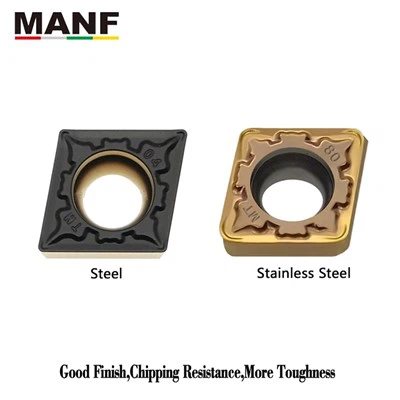
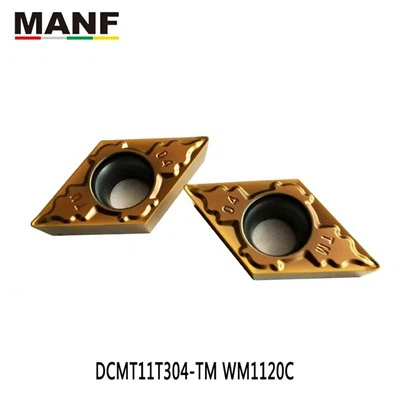
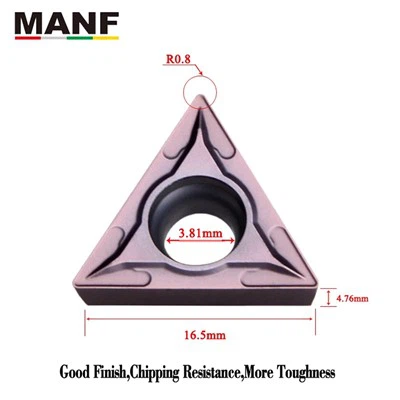
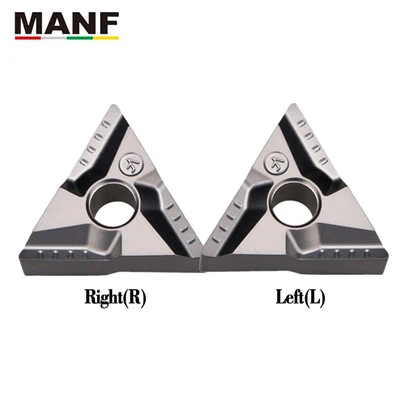
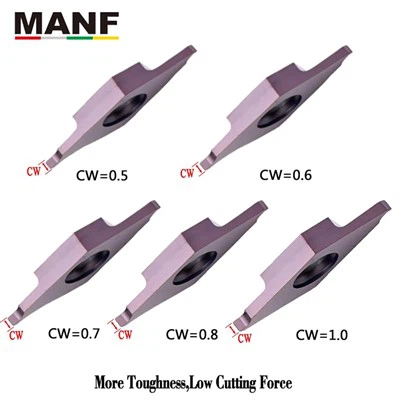
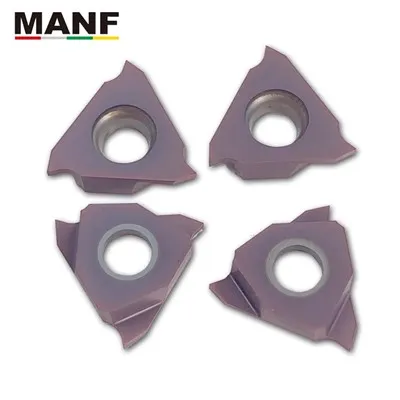
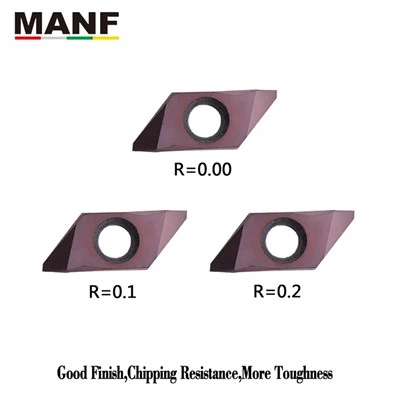
Carbide inserts, also called tungsten carbide inserts, are the material of the electronic industry insert after several production processes and precision processing. Anybody who uses a metal cutting machine tool has almost used a carbide insert. Cutting tool inserts manufactured out of carbide are a critical metal cutting tool commodity used for boring, turning, cutoff, drilling, grooving, milling, and threading applications.





Budget-friendly
Another benefit of utilizing carbide insert is the cost savings. Its cost-effectiveness is due to its durability and high-speed machining capacity, to put it another way. Manufacturers do not have to change cutting tools as frequently since carbide inserts are wear-resistant and have a longer tool life, resulting in lower costs. Furthermore, carbide materials enable cutting tool cutting speeds and feed rates to be increased. The time it takes to complete a work cycle is reduced when this attribute is present.
Enhanced Durability
You get a tool that is built to last when you combine the durability of steel with the skilled finishing capability of carbide. You can replace tips without having to buy a new tool, thus a high-quality carbide-tipped model will outlast even the best HSS choice. Again, the cost of switching to carbide may appear high at first, but you will receive a lot of value in the end, making it a far superior option for any business.
Sharpness
The carbide insert remains sharper than conventional steel, making it more efficient. Carbide allows for faster cutting without jamming, reducing the workload on woodworking machines. Cutting tools made of mild steel wear very quickly. When the blades become dull, the wood is burned, chipped, the grain is broken, and the grain is blown out. Sharp carbide inserts are far more effective than standard steel blades, cutting faster and requiring less regular honing.
Cleanliness
Carbide inserts produce the cleanest, most straightforward cuts of any metalworking tool, with little or no grain damage. Joints fit better and bond joints are stronger when cuts are clean and straight. The use of a clean-cut carbide insert reduces rebound and is a common cause of workshop accidents.
Longevity
The carbide inserts can be replaced if they wear out or shatter and most blade sharpening businesses will add new tips to the cutting tool. The carbide inserts have a greater initial cost, but the tips are interchangeable, making the device more economical in the long run. If the body of the blade or the cutter shank is in good shape, carbide inserts can endure practically indefinitely.
Turning Inserts
A turning tool body grips a replaceable insert which is attached to a lathe turret. Turning is typically done with a replaceable insert. Inserts for turning tools are manufactured using composite materials, coatings, and geometry features that provide high accuracy and high material removal rates.
Threading Carbide Inserts
The carbide insert thread mill is the term used to describe a piece of cutting insert that is used to create an internal or external thread within a part. These are typically attached to a tool holder on a lathe or a turning centre, where they are normally used with tools.
Grooving Carbide Inserts
Based on the type of holder used, these inserts can cut grooves on both the outsides as well as the insides of a workpiece. Among the multitude of applications for which groove-making tools are relevant, there is a vast variety of hardware components of all types. These Carbide specialists specialize in determining the precise specifications required to perfectly suit the needs of each customer, regardless of whether they are parting off a smaller component or creating a deep groove with a large diameter.


Milling Carbide Inserts
The term milling insert refers to a piece of equipment that can be used to process materials such as steel and titanium without the fear of breaking the tool. The materials they help shape, they can straighten, shape, cut, and they can also cut metals such as steel, stainless steel, cast iron, non-ferrous materials, titanium, hardened steel, and plastic.
Drilling Carbide Inserts
With its high accuracy and high-performance indexable inserts, the Drilling and Hole Boring System is suitable for use on materials as diverse as aluminium and superalloys. With the drill body made of heat-treated steel that is very rigid, the nest for the insert is rigid and the flutes are straight, resulting in a long term life for the insert and an efficient chip removal process.
Boring Carbide Inserts
Inserts made of cemented carbide are available in several sizes, shapes, and compositions that are used in various manufacturing methods on steels, cast iron, highly ferrous alloys, and nonferrous metals. In addition, machining metal parts more efficiently and with better finishes can be done when using carbide inserts. In addition to steel, stainless steel, hardened steel, cast iron, non-ferrous metals, titanium, and boring inserts are also good choices for applications.
Material of Carbide Inserts
Steel
Because the inserts are explicitly intended for use as inserts in steel surfacing operations. They can be run at faster clipping speeds and last longer than inserts used in various materials.
Cast Iron
The carbide insert for cast iron is made of abrasion-resistant carbide that will last longer, and then inserts are made of many different materials. Cast iron carbide inserts are made of an abrasion-resistant carbide, so their tool life is longer than inserts for other materials.
Stainless Steel
Heat resistant and shaped for turning stainless steel specifically, these inserts will last longer than inserts for multiple materials.
Alloys
The inserts are not only heat-resistant and wear-resistant, but they also operate with outstanding performance when cutting super alloys such as titanium.
Multimaterial
With these premium turn-carbide inserts, your tool can cut a wide range of materials and is not required to change.
Non-ferrous Material
These premium inserts are ideal for cutting aluminum, copper brass, and other non-ferrous materials.
Application of Carbide Inserts
In the medical profession, doctors and surgeons rely on accurate and durable tools for all kinds of medical procedures. Insert carbides are one of them. The medical industry is the most common industry for the use of carbides. However, the base of the tool itself is crafted with titanium or stainless steel, and the tip of the tool is made of tungsten carbide.
Carbide inserts are widely used in the jewelry-making industry. They are used for both jewelry shaping and in the jewelry itself. Tungsten material falls behind the diamond on the hardness scale, and it is an excellent material used in making wedding rings and other jewelry pieces. Moreover, jewelers rely on efficient tools to work on expensive pieces, and carbide and tungsten inserts are one of them.
Tungsten carbide inserts are also used in the nuclear science industry as effective neutron reflectors. This material was also used during early investigations in nuclear chain reactions, especially for weapons protection.
Turning is an almost flawless process for ceramics. In general, it is a continuous machining mechanism that allows a single carbide insert to be engaged in the cut for a longer time. This is an excellent tool to generate the high temperatures that make ceramic inserts perform optimally.
What Is the Difference Between Carbide Inserts and Ceramic Inserts
Composition
Carbide inserts are primarily composed of tungsten carbide, which is a hard compound consisting of tungsten and carbon atoms. Tungsten carbide is known for its exceptional hardness and wear resistance, making it an excellent choice for cutting tools. To enhance its properties, tungsten carbide is often combined with a binder material, typically cobalt. The cobalt binder improves the toughness and strength of the carbide, making it more resistant to chipping and fracturing during machining operations. Ceramic inserts, on the other hand, are made from various ceramic materials. Alumina (aluminum oxide) and silicon nitride are common ceramic materials used in inserts. These ceramics offer high hardness and excellent thermal stability. To further enhance their properties, ceramic inserts are typically reinforced with other materials, such as silicon carbide or whiskers, which improve their toughness and resistance to fracture.
Properties
Carbide inserts are renowned for their hardness, wear resistance, and toughness. Tungsten carbide is one of the hardest materials used in machining, allowing carbide inserts to maintain their cutting edge for extended periods. Their excellent wear resistance ensures prolonged tool life, reducing the need for frequent tool changes. Carbide inserts are also known for their toughness, meaning they can withstand high cutting forces and are less prone to chipping or fracturing during machining operations. Ceramic inserts possess exceptional hardness, high-temperature resistance, and chemical stability. Ceramics are significantly harder than carbides, allowing them to withstand higher cutting speeds and offer superior wear resistance. These inserts also exhibit remarkable thermal stability, enabling them to perform in high-temperature cutting environments without losing their cutting edge. However, ceramics are generally more brittle than carbides, making them susceptible to chipping or fracturing under certain conditions. Careful handling and proper machining parameters are crucial to prevent damage to ceramic inserts.
Applications
Carbide inserts are widely used in various machining operations, including turning, milling, drilling, and threading. They are well-suited for cutting hard materials such as steels, stainless steels, cast iron, and some non-ferrous metals. Carbide inserts are preferred for high-speed machining due to their excellent heat resistance and ability to maintain their cutting edge at elevated temperatures. They are also suitable for heavy-duty applications that involve significant cutting forces. Ceramic inserts find application in specialized machining processes that require high-speed cutting, high-temperature resistance, or machining of hard-to-machine materials. They are commonly used in industries such as aerospace, automotive, and die/mold manufacturing. Ceramic inserts excel in cutting superalloys, hardened steels, and heat-resistant materials that would rapidly wear down carbide inserts. However, due to their brittleness, ceramics may not perform as well on softer materials and may require adjustments to machining parameters to avoid chipping or fracture.
Main Considerations for Selecting Right Carbide Inserts
Carbide Insert Geometry
Geometries can be divided into three primary styles based on mode of operation.
● Roughing – It is high depth of cut and feed rate combinations suitable mostly for operations, which require highest edge security.
● Medium – Ideal for medium operations to light roughing. Feed rate and wide range of cut depth combinations.
● Finishing – Suitable for operations at light depths of cut and relatively low feed rates. Fit for operations requiring low cutting forces.
Carbide Insert Grade
Primarily, the insert grade is usually determined based on the following;
● Component material
● Method of operation (Finishing, medium, roughing)
● Machining conditions, i.e., good, average, or difficult.
Technically, the tool geometry and grade complement each other. For instance, toughness of a grade can compensate for a lack of strength in a carbide insert geometry.
Carbide Insert Shape
When selecting carbide shape, it is important to ensure it is a relatively required tool entering angle accessibility. Always consider choosing the largest possible nose angle to provide insert and reliability. However, this must be balanced against cuts variation that needs to be performed. Ideally, a large nose angle is sturdy but requires more machine power. Also, it has a higher tendency for vibration. On the other hand, a small nose angle is relatively weak and has small cutting edge engagement. Therefore, it tends to be more sensitive to the varied effects of heat.
Carbide Insert Size
Always select a carbide insert size based on the specific application needs and space for cutting tools in the application. Relatively large insert size provides better stability. Heavy machining requires a carbide insert size of above IC 25mm. When choosing the right size of carbide insert, always determine the largest depth of cut. Consider the cutting length while determining the tool holder entering tool, depth of cut, and machine specification.
Material to be Machined
Carbide inserts are used for machining different types of materials. Thus you must ensure you are choosing the right tool suitable for the specific material. Some of these materials include the following;
● Aluminum
● Bronze
● Hardened tool steel
● Soft tool steel
● Stainless steel
● Cast Iron
● Non-ferrous metals
● Heat-resistant alloy. Titanium alloy
● High hardness materials
Type of Machine Tool
Machine tools used with carbide inserts also come in a large variety.
The commonly used ones include the following; Swiss-type, CNC lathe, 5 axis, turning machine, lathe machine, conventional VMC among others.
What Is the Purpose of Carbide Inserts Coating
Improved Wear Resistance
Coatings increase the hardness of the carbide inserts, making them more resistant to wear. This allows the inserts to withstand the high forces and temperatures generated during cutting operations, resulting in longer tool life and reduced tool replacement frequency.
Reduced Friction
Coatings reduce the friction between the carbide inserts and the workpiece, resulting in smoother cutting action. This minimizes heat generation and prevents the build-up of chips on the cutting edge, leading to improved chip evacuation and better surface finish.
Enhanced Heat Resistance
Coatings provide thermal stability to the carbide inserts, allowing them to withstand high temperatures without losing their hardness or deforming. This enables higher cutting speeds and feeds, increasing productivity and efficiency.
Improved Cutting Speed and Feed Rates
Coated carbide inserts can withstand higher cutting speeds and feed rates due to their increased hardness and reduced friction. This results in faster machining times and higher productivity.
Extended Tool Life
By improving wear resistance, reducing friction, and enhancing heat resistance, coatings significantly extend the tool life of carbide inserts. This reduces the frequency of tool changes, increases production uptime, and lowers tooling costs.
Batching
The absolute best raw material consists of a very fine spherical powder formed of cobalt, in addition to other compounds that have an extremely high level of purity. It is possible for each batch of powder to preserve its homogeneity and consistency throughout the production process by using the most cutting-edge mixing and wet milling technologies, in conjunction with accurate calculation.
Ball Milling
The nanotubes are reduced to an extremely fine powder by a process known as ball milling, which is a kind of grinding. This operation is also known as milling. During the process of ball milling, a localised high pressure will be formed as a consequence of the collision between the tiny hard balls that are enclosed in a concealed container. This collision will take place within the mill.
Spray Drying
Utilizing a spiral spray dryer tower allows for the powder to have an exceptional fluidity, which, in turn, leads to a density that is consistent throughout the carbide inserts blanks. This is the end product of the process. Our fixed tower, which is only committed to defined tasks, avoids any mixing of grains of varied sizes within a batch.
Pressing
To get started, the material is put through a press that is highly automated, CNC controlled, and equipped with punches and dies so that it may be pressed into the necessary basic shape and size. The inserts, after being pressed, have a look that is quite similar to that of a true carbide insert; nevertheless, their hardness is not even close to meeting the requirements.
Sintering
In order to get the desired result of increased brittleness, the insert is subjected to a heat treatment that lasts for 15 hours and is carried out at a temperature of 1500 degrees Celsius. Sintering is the process by which the molten cobalt and tungsten carbide particles are brought together and bonded together.
Gross Inspection
When doing quality control on the raw materials, it is necessary to make use of a carbon-sulfur analyzer. This is done to ensure that the tungsten carbide powder has an adequate amount of both carbon and Sulphur. After the sintering process, the material is examined using a variety of tools, including the following: Conduct tests to determine the TRS of the carbide rod, as well as its microstructure, cobalt concentration, and the material’s hardness.
Grinding
Diamonds are used in the grinding process so that the carbide insert will ultimately have the correct shape after the operation is finished. In order for the inserts to be of a quality that is commensurate with the requirements imposed by the geometric angles, they are ground using a variety of techniques.
Semi-Inspection
After yet another visit to the lab for a quality check, the top and bottom of the insert are ground to the right thickness. This completes the manufacturing process. The stage that we are now at is called the semi-inspection. Grinding cemented carbide, which is the hardest material that humans have ever discovered, needs industrial diamond, which is the hardest mineral that exists on any planet.
Passivation
After the insert has had its thickness reduced to the proper level, it is subjected to further grinding in order to create the ideal form and dimensions for it. Higher standards, both in terms of performance and stability, have been imposed on cutting tools in order to meet the needs of contemporary high-speed cutting and automated machine tools.
Cleaning
Once the inserts have been machined, the next step is for them to be cleaned, and then they are shipped to be coated. When working with the inserts at this stage, it is imperative that protective gloves be used so that no oil or dust gets on the hands.
Coating
Not only does it completely relieve the internal tension of the substrate, but it also removes the unevenly high edges of the carbide inserts, which means that the continuity and consistency of the edge of each carbide insert is substantially improved.
Inspection
Following the completion of the final inspection, each insert is checked against the blueprints and the batch order to ensure that it meets the standards. After that, you may finally start packing it. After having the proper grade laser-etched into the insert, it is then placed in a grey box that has a printed label affixed to it.
Our Factory
Kunshan Meiyaxing Hardware Machinery Co., Ltd. is a company specializing in the production and sales of metal cutting tools. With more than 20 years of experience, we set new technology, high-end machinery and tool manufacturers as one, to provide customers with quality tools, is a direct branch of Hong Kong Meiya International Trading company. Since the establishment of the company - always uphold the "quality", "professional" and "efficient" business philosophy.
