




Grooving Insert
Why Choose Us?
Rich Experience
Kunshan Meiyaxing Hardware Machinery Co., Ltd. is a company specializing in the production and sales of metal cutting tools. With more than 20 years of experience, we set new technology, high-end machinery and tool manufacturers as one, to provide customers with quality tools, is a direct branch of Hong Kong Meiya International Trading company.
Reliable Product Quality
We are proud of our high quality, cost-effective and good service, and have won the praise of customers in various industries such as aviation, medical equipment, automobile manufacturing, mold processing and electronic technology.
Wide Product Range
Kunshan Meiyaxing Hardware Machinery Co., LTD.'s products cover turning tools, milling tools, drilling and threading tools and tool holder clamping systems. Including carbide insert, CNC tool bar, tungsten steel milling cutter, drill, reamer, tap, boring head, tool holder, etc., widely used in aviation, medical equipment, automobile manufacturing, mold processing and electronic technology and many other industries.
Excellent Customer Service
We not only provide high quality and efficient cutting tools, but also have a superb technical team to provide professional and detailed processing solutions. We are trying to actively expand overseas partners, to ensure that in the future fierce competition in the market to occupy an advantage, win-win cooperation, look forward to working with you.
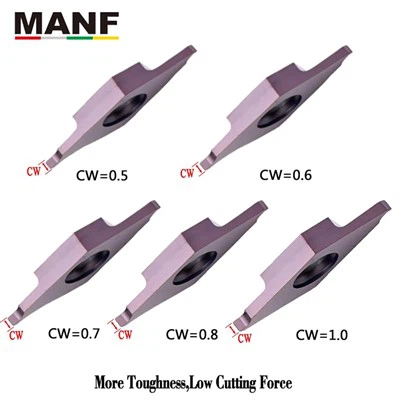
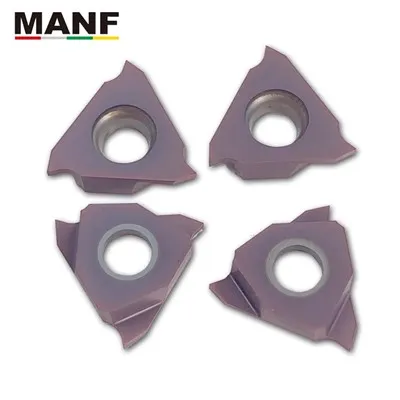
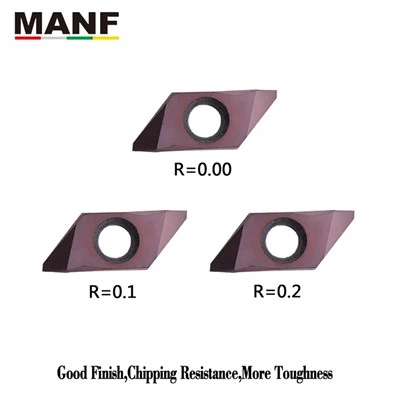
Grooving inserts are cutting tools that are used in a variety of industrial applications. They are designed to create grooves and part off workpieces in a precise and efficient manner. Grooving inserts are available in a variety of shapes and sizes to accommodate different cutting needs.



Advantages of Grooving Insert
Versatility
Grooving inserts are versatile cutting tools that can be used in a variety of applications. They are commonly used in metalworking, woodworking, and plastic machining.
Precision
Grooving inserts are designed to provide a high level of precision in cutting. They are able to create grooves and part off workpieces with a high degree of accuracy.
Efficiency
Grooving inserts are designed to be efficient cutting tools. They are able to remove material quickly and cleanly, which can save time and increase productivity.
Maintenance
Grooving inserts require proper maintenance to ensure their longevity. They should be cleaned and sharpened regularly to maintain their effectiveness.
Durability
Grooving inserts are made from high-quality materials, such as carbide and ceramic. This makes them durable and able to withstand the harsh conditions of industrial environments.
Safety
Grooving inserts are sharp cutting tools that can be dangerous if not handled properly. Workers should be trained on how to use them safely and should wear appropriate protective gear, such as gloves and eye protection.

Grooving Turning Tools
Grooving turning tools are used on lathes for creating grooves on a workpiece in a rotational motion. They come in various shapes and sizes, enabling the creation of different types of grooves. Some turning tools are designed for particular grooving operations like face or contour grooving.
Parting Tools
Parting tools, often called cut-off tools, are a specific type of grooving tool. They are used to cut a workpiece into two separate parts. While they primarily serve a parting function, they can also be used for creating particularly narrow grooves.
Internal Grooving Tools
These tools are used for making grooves on the inner diameter of a hollow workpiece. They come with varying lengths to reach deep holes or cavities, often featuring specific geometries to ensure precise cutting.
External Grooving Tools
These are used for creating grooves on the outer surface of a workpiece. They also come in different shapes and sizes to cater to a wide range of groove dimensions and geometries.
Face Grooving Tools
Face grooving tools are specifically designed to create axially aligned grooves on a workpiece’s face. They feature a design that allows them to reach areas of the workpiece that other tools might not be able to.
Material of Grooving Insert
Aluminum
Aluminum is a softer and more ductile material, which allows for higher cutting speeds in the grooving process. However, its sticky nature can cause the formation of long, stringy chips, which might clog the cutting area and reduce tool efficiency. Thus, sharp tools with high rake angles and effective chip evacuation strategies are essential. Aluminum generally doesn’t require heavy cooling, but a suitable coolant can aid in chip removal.
Stainless Steel
Stainless steel is much harder and stronger than aluminum. As a result, it leads to increased tool wear and requires slower cutting speeds to prevent tool overheating. However, the hardness of stainless steel can produce a smooth, high-quality surface finish in the groove. Stainless steel is also known for its work-hardening characteristics, which can lead to premature tool wear, so controlling the cutting speed and feed rate is crucial. A consistent coolant supply is also required to manage heat and ensure tool longevity.
Brass
Brass is relatively soft and has excellent machinability, allowing for high cutting speeds and a good surface finish. Brass tends to produce small, granular chips, making it easier to manage in terms of chip control. Its low friction properties result in less tool wear, but a suitable lubricant is advisable to reduce the risk further.
Application of Grooving Insert
In the manufacturing sector, grooving inserts are extensively used in metal cutting and shaping processes. The inserts are employed in machining operations such as turning, milling, and boring. grooving inserts provide superior hardness, wear resistance, and high heat tolerance, which enables manufacturers to achieve high precision and repeatability in their production processes. The use of grooving inserts results in improved surface finish, reduced cycle times, and extended tool life, leading to increased productivity and cost savings.
Aerospace manufacturers rely on grooving inserts for the machining of complex and high-strength materials such as titanium, stainless steel, and nickel-based alloys. The exceptional hardness and thermal stability of grooving inserts make them ideal for producing critical aerospace components with tight tolerances. Grooving inserts enable aerospace companies to achieve efficient material removal rates and maintain dimensional accuracy, contributing to the overall quality and performance of aircraft parts.
In the automotive sector, grooving inserts play a vital role in the production of engine components, brake systems, transmission parts, and other automotive components. These inserts are utilized in a wide range of machining operations, including turning, milling, and grooving, to ensure precision, consistency, and durability of the manufactured parts. grooving inserts help automotive manufacturers enhance their manufacturing processes, optimize cutting speeds, and reduce downtime, ultimately improving their competitiveness in the industry.
Industries related to energy production and heavy machinery manufacturing benefit from the use of grooving inserts in various applications such as drilling, shaping, and forming of components used in oil and gas exploration, mining equipment, and power generation. Grooving inserts offer exceptional resistance to abrasion and sustained cutting performance, making them suitable for handling demanding materials and operating under harsh conditions. The use of grooving inserts enables companies in these sectors to achieve higher productivity, lower production costs, and increased equipment durability.
In the tool and die industry, grooving inserts are utilized in the fabrication of molds, dies, and precision tooling for metal stamping, forging, and injection molding processes. The superior hardness and wear resistance of grooving inserts allow tool and die makers to achieve high-precision machining, extended tool life, and reduced maintenance requirements. grooving inserts contribute to the production of intricate and durable tooling solutions that support various manufacturing operations across different industries.
How to Choose the Right Grooving Insert
Material Compatibility
One of the most important factors to consider when choosing grooving inserts is the material you will be cutting. Different materials have different properties, such as hardness, toughness, and abrasiveness, which can affect the performance of the insert. For example, if you are cutting a hard material like stainless steel, you will need a grooving insert with a high wear resistance and toughness to withstand the cutting forces. On the other hand, if you are cutting a softer material like aluminum, you may need a grooving insert with a sharper cutting edge for better chip control.
Cutting Conditions
The cutting conditions, such as cutting speed, feed rate, and depth of cut, also play a crucial role in selecting the right grooving insert. Different inserts are designed to perform optimally under specific cutting conditions. For example, if you are cutting at high speeds, you will need a grooving insert with a high heat resistance to prevent thermal cracking. Similarly, if you are using a high feed rate, you will need an insert with a strong cutting edge to withstand the increased cutting forces.
Chip Control
Effective chip control is essential for achieving a smooth surface finish and preventing chip jamming during cutting operations. Grooving inserts with the right chip breaker design can help improve chip control and reduce the risk of tool breakage. Consider the type of chip control you need for your specific application, whether it is continuous chips, segmented chips, or curled chips, and choose an insert with the appropriate chip breaker geometry.
Tool Holder Compatibility
Before selecting a grooving insert, make sure it is compatible with your tool holder. Different tool holders have different clamping mechanisms and insert geometries, so it is important to choose an insert that fits securely in your tool holder to prevent vibration and tool runout. Check the manufacturer's specifications to ensure compatibility between the insert and tool holder.
Budget Considerations
While it is important to choose a high-quality grooving insert that meets your cutting requirements, it is also essential to consider your budget constraints. There are various options available at different price points, so it is important to strike a balance between cost and performance. Consider the overall cost of the insert, including the initial purchase price and the cost per cutting edge, to determine the best value for your cutting needs.
Straight Turning: This technique involves making linear cuts along the workpiece’s length. Straight turning is primarily used for creating open grooves or turning down a shaft to a specific diameter. It requires a straight-turning tool and is a fundamental technique in grooving machining.
Face Grooving: Face grooving focuses on creating grooves that are axially aligned with the workpiece. This process is often used when creating grooves on the end face of a part or component. It requires a face grooving tool, which can reach areas of the workpiece that other tools cannot.
Contour Grooving: Contour grooving involves the creation of grooves that follow a specific, often complex, geometry. It’s ideal for situations that require grooves with non-linear or non-circular paths. The technique demands more advanced programming and handling but allows for great flexibility in the groove design.
Internal Grooving: True to its name, internal grooving carves out internal grooves within a hollow workpiece, such as a tube or pipe. It’s a frequently used technique when you need to fit components like seals or circlips within a part. These internal grooves secure the components and contribute to the final product’s overall functionality and efficiency. Understanding the purpose and execution of internal grooves is key to successful grooving operations.
External Grooving: External grooving is the process of creating grooves on the outer surface of a workpiece. This technique is used extensively across various industries and can be executed with various grooving tools, depending on the groove’s required dimensions and geometry.

10 Essential Tips for Using a Grooving Tool
Understand the groove type
It is crucial to comprehend the three main types of grooves, which are: outer groove, inner hole groove, and end face groove. Outer grooves are the simplest to process as the force of gravity and the use of coolant can aid in chip removal. The operator can directly observe the machining of outer grooves, making it relatively easy to monitor the quality of the machining process.
Processing machine tools and applications
In the grooving process, the design type and technical specifications of the machine tool are also critical factors to consider. Some of the main performance requirements for machine tools include: Having sufficient power to ensure that the tool operates within the correct speed range without stalling or vibrating; Having high rigidity to complete the required cutting without chatter.
Understand the material characteristics of the workpiece
Being familiar with the properties of the workpiece material, such as its tensile strength, work hardening characteristics, and toughness, is vital to comprehending the impact of the workpiece on the tool. When machining different workpiece materials, varying combinations of cutting speed, feed rate, and tool characteristics are necessary.
Choose the right tool
The appropriate selection and utilization of tools will determine the cost-effectiveness of machining. The grooving tool can machine the workpiece geometry in two ways: The first is to process the entire groove shape by making a single cut; The second is to rough out the final size of the groove by cutting in multiple stages.
Form tools
When machining in large quantities, it may be advantageous to consider using forming tools. The forming tool can cut all or most of the groove shapes in a single operation, freeing up the tool’s position and reducing the processing cycle time. A disadvantage of non-blade forming tools is that if one of the teeth breaks or wears faster than the other teeth, the entire tool must be replaced.
Choose single point multi-function tool
The use of multi-functional tools can generate tool paths in both the axial and radial directions. With this type of tool, not only can the groove be machined, but the diameter can also be turned, the radius and angle can be interpolated, and multi-directional turning can be performed.
Use the correct processing sequence
Rational planning of the optimal machining sequence involves taking into account several factors, such as the change in workpiece strength before and after the groove is machined, as the strength of the workpiece decreases after the groove is machined first. This may result in the operator using a feed rate and cutting speed that is lower than optimal to avoid chatter.
The role of feeding rate and cutting speed
The feed rate and cutting speed are crucial factors in groove machining. Improper feed and cutting speeds can result in chatter, reduced tool life, and extended machining cycle times. Several factors, including the workpiece material, tool geometry, coolant type and concentration, insert coating, and machine performance, can impact the feed and cutting speed.
Selection of blade coating
The coating of a carbide blade can significantly enhance its lifespan. By providing a lubricating layer between the tool and the chip, the coating also reduces machining time and enhances the surface finish of the workpiece. Some of the commonly used coatings today include TiAlN, TiN, and TiCN. For optimal performance, it is essential to match the coating to the material being machined.
Cutting fluid
Proper application of cutting fluid involves providing enough fluid at the cutting point where the grooved insert comes into contact with the workpiece. The cutting fluid serves two purposes: Cooling the cutting area and aiding in chip removal. Increasing the cutting fluid pressure at the cutting point is highly effective in improving chip evacuation when machining blind bore internal diameter grooves.
How to Optimize Grooving Insert Operations for Efficiency?

Choosing the Right Tool: Not all grooving tools are created equal, and the right choice depends on the specific job requirements. Consider the tool’s size, geometry, and material when making your selection.
Tool Path Planning: Efficient grooving requires an optimized tool path. This minimizes tool travel and reduces non-productive time.
Appropriate Cutting Parameters: Selecting the right cutting speed, feed rate, and depth of cut is critical for efficient grooving. These parameters should be chosen based on the tool material, workpiece material, and the desired groove geometry.
Coolant Management: Effective use of coolant can significantly improve grooving efficiency by reducing heat and friction, prolonging tool life, and improving surface finish.
Regular Maintenance: Regular tool inspection and maintenance help identify and rectify issues early, avoiding costly downtime and ensuring consistent performance.
Key Considerations When Implementing Grooving Machining
The type of material you’re working with is a crucial consideration. Harder materials might require specialized grooving tools and slower feed rates to prevent excessive wear. Conversely, softer materials might allow for quicker operations.
The shape and size of the groove that needs to be made will also dictate the process. Factors such as width, depth, and form of the groove are all important to consider when setting up the grooving operation.
The cutting parameters, including depth of cut, feed rate, and cutting speed, significantly impact the results of the grooving operation. These need to be set accurately to ensure the grooves’ quality and the tool’s lifespan.
Choosing the right grooving tool is a critical step in machining. The tool must not only be the right size and shape for the desired groove but also tailored to the specific material of the workpiece. Remember, the optimal grooving tool selection can dramatically enhance the efficiency and precision of your machining process, making it an indispensable element for successful grooving operations.
Managing chips effectively can reduce the risk of tool breakage, ensure a good surface finish, and prevent the workpiece from being damaged. This involves choosing the correct tool geometry, using suitable coolants, and adjusting cutting parameters as needed.
The setup of the machine itself can have a significant impact on the grooving process. The alignment of the tool, workpiece clamping, and overall stability of the machine can all affect the groove’s quality and the operation’s efficiency.
Typical Troubles In Grooving Insert Machining And How To Overcome Them
Premature Tool Wear
Grooving inserts can wear out quickly, especially when working with harder materials like stainless steel. For example, a carbide tool can wear out after just 2 hours of continuous machining. Overcoming this can involve using a tougher tool material, such as coated carbide or ceramic, or adjusting cutting parameters. Reducing the cutting speed by 20-30% or the feed rate by 10-20% can significantly extend tool life.
Poor Surface Finish
This issue can arise from several factors, including using a dull tool or inappropriate cutting parameters. For instance, a surface roughness of Ra 3.2 µm instead of the desired Ra 1.6 µm could be observed due to these factors. Regularly checking and replacing tools when they become dull can help. Additionally, fine-tuning the cutting parameters, like reducing the feed rate by around 15%, can help achieve the desired surface finish.
Chip Control Issues
Certain materials, like aluminum, can produce long, stringy chips that clog up the machine. For example, if you’re getting stringy chips 15-20 cm long, it can cause the machine to jam. This issue can be mitigated by using tools with chip breakers designed to break the chips into smaller pieces. Using appropriate coolants can also help in chip removal.
Inaccurate Groove Dimensions
Grooves may come out wider or narrower than planned. For example, a groove planned to be 2 mm could end up being 2.3 mm due to tool deflection or machine inaccuracies. This issue can be addressed by carefully calibrating the machine and selecting rigid and robust tools. In some cases, reducing the feed rate or depth of cut can help maintain accuracy.
Our Factory
Kunshan Meiyaxing Hardware Machinery Co., Ltd. is a company specializing in the production and sales of metal cutting tools. With more than 20 years of experience, we set new technology, high-end machinery and tool manufacturers as one, to provide customers with quality tools, is a direct branch of Hong Kong Meiya International Trading company. Since the establishment of the company - always uphold the "quality", "professional" and "efficient" business philosophy.
