




Square End Mills
Why Choose Us?
Rich Experience
Kunshan Meiyaxing Hardware Machinery Co., Ltd. is a company specializing in the production and sales of metal cutting tools. With more than 20 years of experience, we set new technology, high-end machinery and tool manufacturers as one, to provide customers with quality tools, is a direct branch of Hong Kong Meiya International Trading company.
Reliable Product Quality
We are proud of our high quality, cost-effective and good service, and have won the praise of customers in various industries such as aviation, medical equipment, automobile manufacturing, mold processing and electronic technology.
Wide Product Range
Kunshan Meiyaxing Hardware Machinery Co., LTD.'s products cover turning tools, milling tools, drilling and threading tools and tool holder clamping systems. Including carbide insert, CNC tool bar, tungsten steel milling cutter, drill, reamer, tap, boring head, tool holder, etc., widely used in aviation, medical equipment, automobile manufacturing, mold processing and electronic technology and many other industries.
Excellent Customer Service
We not only provide high quality and efficient cutting tools, but also have a superb technical team to provide professional and detailed processing solutions. We are trying to actively expand overseas partners, to ensure that in the future fierce competition in the market to occupy an advantage, win-win cooperation, look forward to working with you.
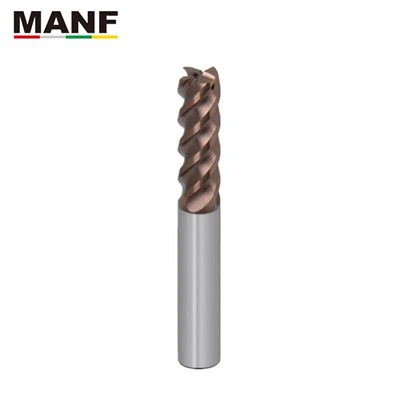
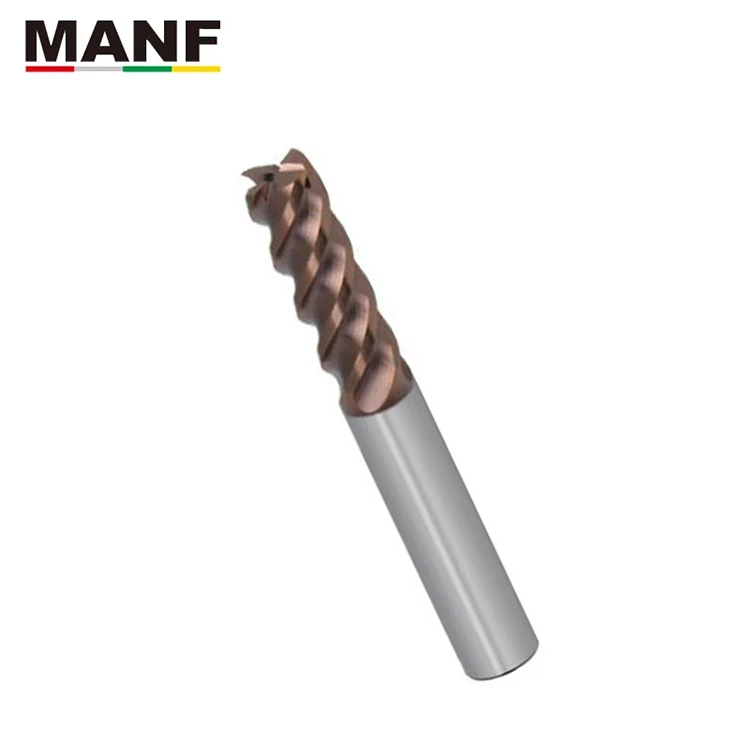
Square end mills are cutting tools designed explicitly for milling applications, featuring a square nose that creates flat-surfaced cuts with perfect 90° corners in the workpiece. Commonly constructed from high-speed steel or carbide. Square end mills are used at the roughing stage as well as the finishing stage. Side milling, face milling, shoulder milling, and slotting operations are all possible with a square end mill.


Exceptional Hardness and Durability
One of the most prominent benefits of square end mills is their exceptional hardness. Tungsten carbide, the primary component, ranks among the hardest materials known to man. This hardness translates into a cutting tool that can withstand abrasive materials and high-speed machining, leading to significantly longer tool life. Machinists can rely on square end mills to maintain their cutting edge over extended periods, reducing the need for frequent replacements.
Heat Resistance
Square end mills exhibit remarkable heat resistance, a crucial attribute in machining applications where high temperatures are generated during cutting. This resistance to thermal deformation ensures consistent performance and dimensional accuracy. It also minimizes the risk of tool failure due to overheating, making square end mills an excellent choice for demanding projects involving tough materials.
Versatility
The versatility of square end mills is a key factor contributing to their widespread use. With a variety of types and configurations available, machinists can choose the perfect tool for each specific task. Whether it’s roughing, finishing, contouring, or creating complex shapes, there’s a square end mill designed to excel in that particular application. This adaptability simplifies tool selection and enhances overall machining efficiency.
Improved Material Removal Rates
Square end mills, especially those designed for roughing, excel at material removal. The combination of hardness, heat resistance, and multiple flutes in roughing end mills allows for aggressive cutting that efficiently removes material, reducing machining time. This benefit is particularly valuable in high-volume manufacturing environments where productivity is a priority.
Enhanced Surface Finish
Achieving a high-quality surface finish is a hallmark of precision machining, and square end mills excel in this aspect. Their sharp cutting edges and precise geometry contribute to smoother cuts, reducing the need for secondary finishing operations. This translates into time and cost savings, as well as superior final product aesthetics.
Reduced Tool Wear and Maintenance
Thanks to their hardness and heat resistance, square end mills experience minimal tool wear, even when subjected to demanding machining conditions. This translates to less frequent tool changes and lower maintenance costs. Machinists can focus on their work with confidence, knowing that their square end mills will endure the rigors of the job.
High-Speed Steel
This material is famous for making square-end mills because it is relatively inexpensive and can cut a wide range of materials. However, high-speed steel is less durable than other materials and requires more frequent re-sharpening.
Cobalt
This material is more durable than high-speed steel and is resistant to wear and heat. This makes it ideal for cutting rigid materials like stainless steel and other alloys. However, cobalt is more expensive than high-speed steel.
Powdered Metal
This material combines various metals and is known for its toughness and resistance to wear. Powdered metal end mills are widely used for cutting hard materials, such as cast iron and steel.
Ceramic
Ceramic end mills are famous for their ability to cut harsh and abrasive materials, such as composites and ceramics. They are also very heat-resistant but can be brittle and prone to chipping.
Carbide
Carbide is the most popular material for making square-end mills. It is rugged, durable, and can cut various materials, including stainless steel, titanium, and composites. Carbide end mills are also resistant to wear and heat, making them ideal for machining applications.
Application of Square End Mills
Face Milling
Face milling is a machining process employed to eliminate material from the surface of a workpiece, creating flat surfaces. Carbide square end mills, especially center cutting ones, are used in face milling to produce a flat surface on the workpiece, as their cutting edges are perpendicular to the workpiece, allowing for a more precise cut. The benefits of face milling include its speed and efficiency in producing flat surfaces, as well as its improved accuracy compared to other machining techniques. When utilizing square end mills for face milling, it is important to select the appropriate size and type of mill for the job, as well as the appropriate feeds and speeds to ensure a successful cut.
Side Milling
Side milling is a machining process that involves using a cutting tool with teeth on the side to cut a workpiece, often to create slots or grooves. Carbide square end mills, both high-speed steel and center cutting ones, are effective tools for this process, as they can remove material from the side of the workpiece as they move along it. The advantages of side milling include its versatility in creating a range of shapes and sizes, its speed for high-volume production, and its ability to create intricate shapes that are difficult to achieve with other machining processes. In order to achieve optimal results in side milling, it is important to select the right square end mill for the job and to consider factors such as cutting speed, feed rate, and depth of cut.
How To Choose The Right Square End Mill?
Considering the Material
The first and foremost factor to consider is the material you will manufacture. Different materials require different types of square-end mills. For instance, when milling aluminum, you should opt for a square-end mill with fewer flutes to avoid chip clogging. On the other hand, when milling steel, you should choose a square-end mill with more flutes to increase tool life. Therefore, always consider the material you will cut before selecting a suitable square-end mill.
Diameter and Length
The diameter and length of the square end mill affect the cutting speed, tool life, and chip evacuation. A smaller end mill diameter will provide a higher cutting speed but may result in a shorter tool life. A larger end mill diameter will lead to a lower cutting speed but will last longer. Similarly, the length of the end mill relates to the tool deflection, which can influence the final workpiece’s finish. Thus, selecting the appropriate diameter and size of the square end mill is critical for an optimal milling process.
Corner Radius
The corner radius is another essential aspect when selecting a suitable square end mill. The corner radius alters the shape of the cutting edge and affects the amount of heat generated during the milling process. A smaller corner radius can increase accuracy but may create more heat, resulting in chip welding. A larger corner radius can reduce heat but may decrease accuracy. Therefore, choosing the appropriate corner radius for the application is essential.
Application
The intended application of the square end mill can significantly influence the end mill selection. For example, roughing, finishing, and slotting require different types of end mills. Roughing end mills remove material quickly while finishing end mills create a smooth surface finish. Slotting end mills are used for creating slots of specific widths. Therefore, identifying the application before selecting the appropriate square-end mill is crucial for a successful milling operation.
Carbide vs. High-Speed Steel
Finally, choosing between a carbide or high-speed steel square-end mill can impact tool life, cutting speed, and material removal rates. Carbide end mills are more complex and durable than high-speed steel end mills, capable of machining a more comprehensive range of materials at higher cutting speeds. However, they are more expensive than high-speed steel end mills. High-speed steel end mills are economical solutions for lower-speed applications and are easier to sharpen. Therefore, choose the appropriate square-end mill suitable for your application and budget.
Key Features of Square End Mills
Flute Number
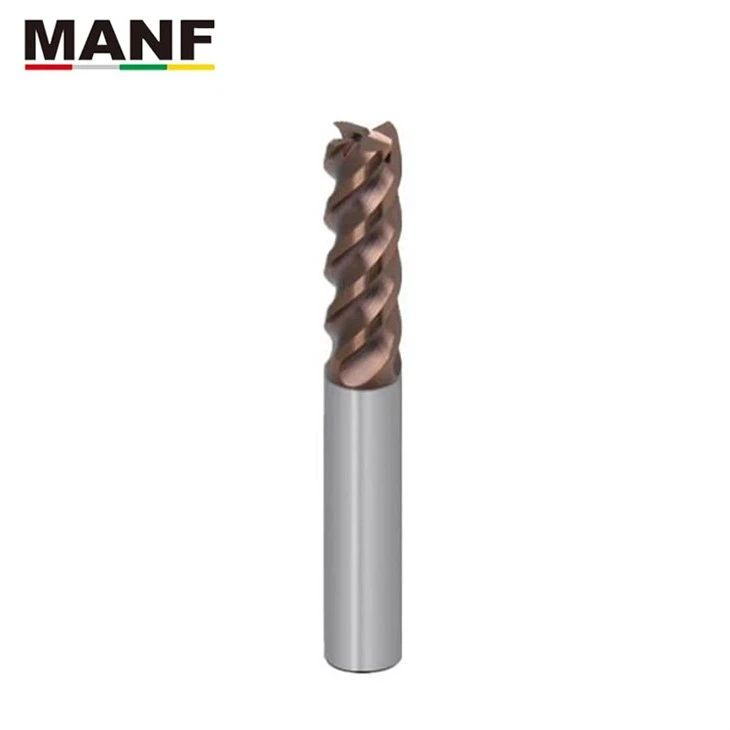
Square End Mills come in different flute numbers, including 2 Flute and 4 Flute. The number of flutes determines the number of cutting edges on the tool, with more flutes resulting in a smoother finish. 2 Flute End Mills are ideal for softer materials. In comparison, 4 Flute End Mills are better suited for more complex materials and generating faster cutting speeds.
Solid vs. Non-Solid
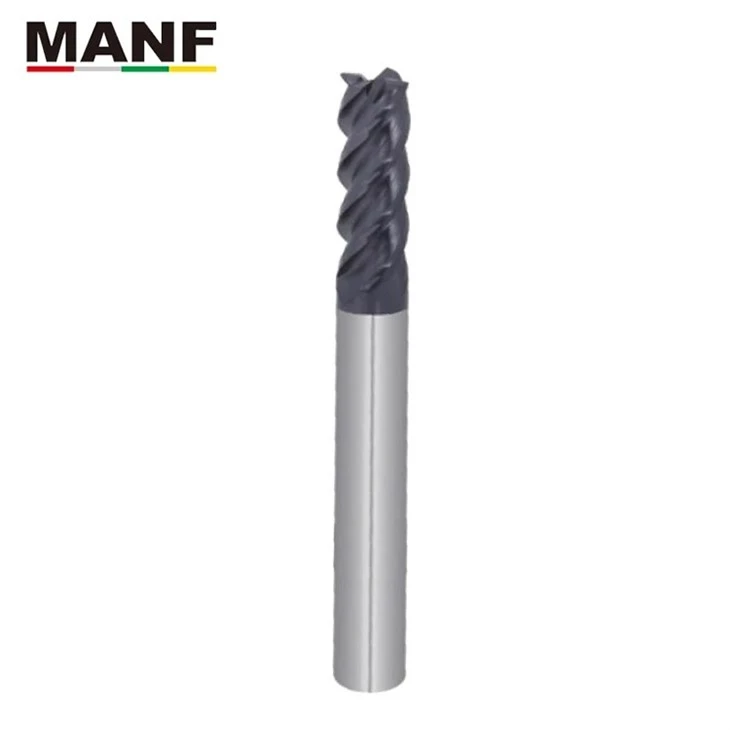
Square End Mills come in both Solid and Non-Solid milling cutters. Solid End Mills are made from a single piece of material and provide better performance and durability, making them suitable for high-performance applications. Non-Solid milling cutters have replaceable indexable inserts and are more cost-effective, making them a better choice for less-demanding applications.

High-Speed Steel vs. Carbide
Square End Mills can be made from High-Speed Steel or Carbide. High-Speed Steel is a commonly used material due to its toughness, durability, and versatility. It can be used in various applications and is suitable for low and high-speed operations. Carbide, conversely, is a more expensive but durable material that provides better performance and longer tool life, making it ideal for high-performance applications.
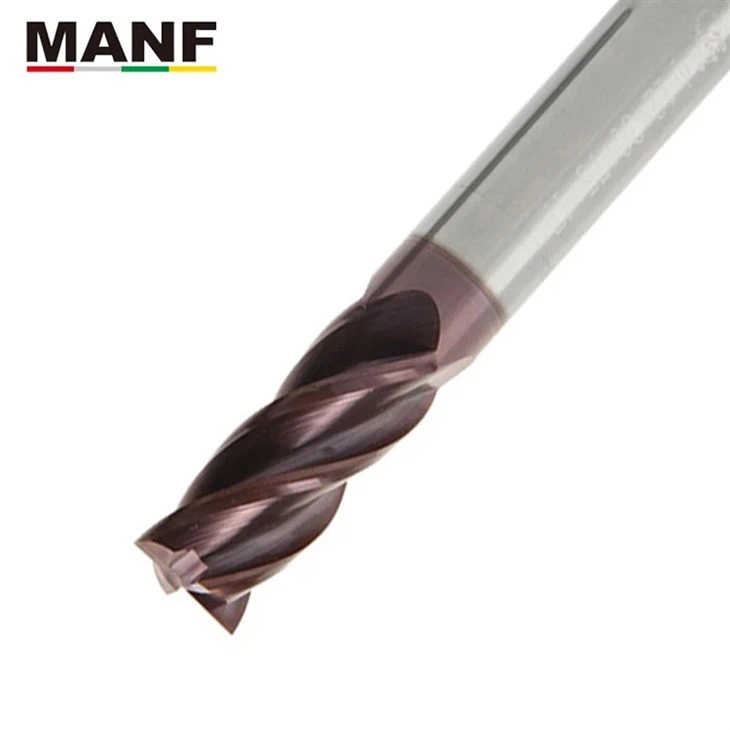
2 Flute vs. 4 Flute
As mentioned, Square End Mills come in 2 and 4 Flute variations. The choice between the two largely depends on the machined material and the desired finish. 2 Flute End Mills are ideal for softer materials, as they generate less heat and produce a better finish. 4 Flute End Mills, conversely, are more suitable for more complex materials, as they can generate higher cutting speeds and provide better chip evacuation.
High-Speed Steel
This material is famous for making square-end mills because it is relatively inexpensive and can cut a wide range of materials. However, high-speed steel is less durable than other materials and requires more frequent re-sharpening.
Cobalt
This material is more durable than high-speed steel and is resistant to wear and heat. This makes it ideal for cutting rigid materials like stainless steel and other alloys. However, cobalt is more expensive than high-speed steel.
Powdered Metal
This material combines various metals and is known for its toughness and resistance to wear. Powdered metal end mills are widely used for cutting hard materials, such as cast iron and steel.
Ceramic
Ceramic end mills are famous for their ability to cut harsh and abrasive materials, such as composites and ceramics. They are also very heat-resistant but can be brittle and prone to chipping.
Carbide
Carbide is the most popular material for making square-end mills. It is rugged, durable, and can cut various materials, including stainless steel, titanium, and composites. Carbide end mills are also resistant to wear and heat, making them ideal for machining applications.
The Purpose of Coating for Square End Mills
Coatings substantially extend tool life by reducing wear. This means fewer tool changes and reduced downtime.
By minimizing friction, coatings ensure smoother cuts, leading to better surface finishes on the workpiece.
Coatings enable end mills to maintain their edge and structural integrity even under high-temperature conditions.
By preventing work material from adhering to the cutter, coatings ensure consistent cutting performance and reduce the potential for tool breakage.
Anatomy of an Square End Mill
Shank
This is the non-cutting end of the tool, designed to be held securely by the machine’s tool holder. Its diameter is crucial as it must match the tool holder’s size.
Flutes
These are the deep helical grooves running up the tool’s cutting end. They determine the cutting speed, finish, and tool longevity.
Cutting Diameter
This is the width of the cutting part of the square end mill. It’s essential for determining the width of the cut the tool will produce.
Cutting Length
The height of the tool’s cutting area, determines how deep the tool can cut into the material.
How Does Square End Mill Differ from Drilling?
Tool Motion and Function
The most fundamental difference lies in the motion and function of the tools. The tool (drill bit) rotates and moves vertically into the material to create cylindrical holes.
square end mill, on the other hand, involves an end mill tool that rotates and moves laterally across the material, allowing for more complex cutting tasks, including lateral milling, contouring, and slotting.
Cutting Action
Drilling is primarily a plunging operation where the tool moves straight into the material.
Square end mill encompasses a broader range of cutting actions, including lateral cutting, creating flat surfaces, and producing intricate profiles and shapes.
Tool Design
Drill bits and end mills are designed differently. Drill bits have a pointed tip and are designed to create round holes.
Square end mills come in various shapes and sizes, with multiple cutting surfaces (flutes) that enable them to perform a wide range of cutting tasks beyond making holes.
Surface Finish and Tolerances
Drilling is generally used for making holes and is less focused on surface finish and dimensional tolerances.
Square end mill, however, can achieve a high-quality surface finish and tight tolerances, making it suitable for precision parts and detailed work.
Versatility and Application Range
Drilling is somewhat limited to creating holes and simple bore operations.
Square end mill, in contrast, is incredibly versatile, capable of performing numerous operations like slotting, contouring, facing, and intricate 3D surface milling.
How Does the Number of Flutes Affect an Square End Mill?
Material Being Machined
One of the first things to consider is the material you’re cutting. Soft materials like aluminum require fewer flutes to allow for efficient chip evacuation, while harder materials like stainless steel can be cut more efficiently with square end mills that have more flutes, as they provide more cutting edges per revolution.
Tool Rigidity
More flutes can add to the rigidity of the square end mill, making it less susceptible to deflection. This can be particularly useful when working with harder materials, where deflection could otherwise be a problem.
Cutting Speed and Feed Rate
Generally, a higher number of flutes allows for a faster feed rate. But it’s a trade-off: fewer flutes mean slower feeds but better chip removal, crucial for gummy materials like aluminum.
Tool Life
More flutes generally result in a longer square end mill life, provided that the increased speed and feed rates are not causing undue wear or heat build-up.
Surface Finish
The number of flutes also affects the surface finish of the machined part. More flutes usually mean a better finish, as the square end mill is making more cuts per revolution, but that’s only true up to a certain point. After that, chip evacuation problems or excessive heat can adversely affect the surface finish.
Coolant Availability
If using coolant, fewer flutes are generally more effective at channeling the coolant to the cutting edge. This can be particularly advantageous in deep pocket milling or when machining exotic materials that require constant cooling.
Machining Strategy
Your milling approach, whether it’s conventional or climb milling, may also influence the ideal number of flutes for your tool. Climb milling generally requires a more rigid tool, which is often achieved by using an square end mill with more flutes.
Cost
As you might expect, more flutes typically mean a more expensive tool. Therefore, it’s important to consider whether the added cost provides enough benefits in square end mill life, speed, or surface finish to justify the expense.
Our Factory
Kunshan Meiyaxing Hardware Machinery Co., Ltd. is a company specializing in the production and sales of metal cutting tools. With more than 20 years of experience, we set new technology, high-end machinery and tool manufacturers as one, to provide customers with quality tools, is a direct branch of Hong Kong Meiya International Trading company. Since the establishment of the company - always uphold the "quality", "professional" and "efficient" business philosophy.
